

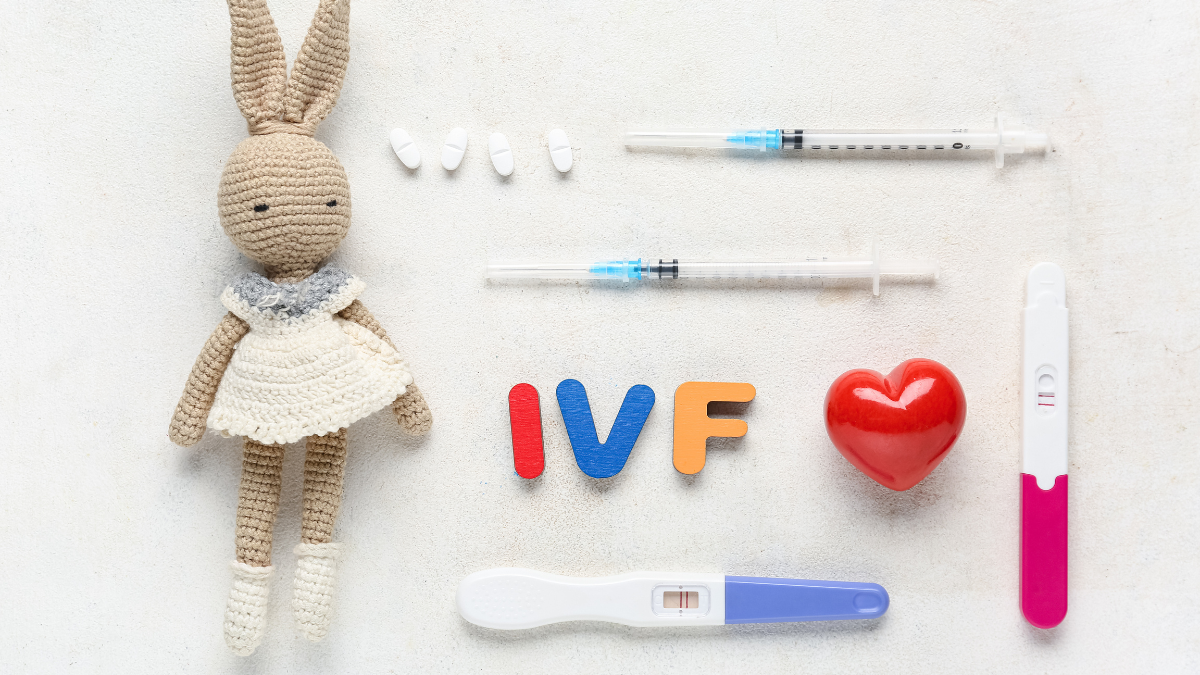
For couples struggling with infertility, IVF treatment represents hope and the possibility of achieving their dream of parenthood. As one of the most effective assisted reproductive technologies available today, IVF treatment has helped millions of couples worldwide conceive and build their families. Understanding the process, costs, safety, and success factors of IVF treatment empowers couples to make informed decisions about their fertility journey.
What is IVF Treatment: Understanding the Basics
What is IVF treatment? In vitro fertilization, commonly known as IVF, is a sophisticated medical procedure where eggs are retrieved from a woman’s ovaries and fertilized with sperm in a laboratory setting. The resulting embryos are then carefully cultured for several days before being transferred back into the woman’s uterus. IVF treatment bypasses natural conception barriers and offers solutions for various infertility causes including blocked fallopian tubes, male factor infertility, endometriosis, and unexplained infertility.
When couples ask what is IVF treatment, they’re often seeking to understand whether this option is right for them. IVF treatment has evolved significantly since the first successful IVF baby was born in 1978. Today’s IVF treatment incorporates advanced technologies like intracytoplasmic sperm injection (ICSI), preimplantation genetic testing, and time-lapse embryo monitoring, significantly improving success rates and outcomes.
Understanding what is IVF treatment involves recognizing that it’s not just a single procedure but a comprehensive process involving multiple steps over several weeks. The IVF treatment journey typically includes ovarian stimulation, egg retrieval, fertilization, embryo culture, and embryo transfer. Each step is carefully monitored and adjusted to optimize chances of success for individual patients.
What is Full Form of IVF: Decoding the Acronym
What is full form of IVF? The term IVF stands for In Vitro Fertilization, where “in vitro” is Latin for “in glass,” referring to the laboratory dish where fertilization occurs outside the human body. Understanding what is full form of IVF helps demystify the process—the IVF treatment name literally describes the key aspect of the procedure where conception happens in a controlled laboratory environment rather than in the fallopian tubes.
Knowing what is full form of IVF also highlights the scientific foundation of this IVF treatment approach. The “in vitro” aspect of IVF treatment allows embryologists to create optimal conditions for fertilization and early embryo development, conditions that may not naturally exist due to various fertility challenges. This controlled environment is what makes IVF treatment such a powerful solution for couples facing infertility.
How is IVF Done: Step-by-Step Process
Understanding how is IVF done helps couples prepare mentally and physically for their IVF treatment journey. The process begins with ovarian stimulation, where fertility medications are administered to encourage the ovaries to produce multiple eggs instead of the single egg typically released during a natural cycle. This phase of IVF treatment usually lasts 10-14 days and involves regular monitoring through blood tests and ultrasounds.
When examining how is IVF done, the next critical step is egg retrieval. Once the eggs reach optimal maturity, a minor surgical procedure performed under sedation collects the eggs from the ovaries using ultrasound guidance. This stage of IVF treatment typically takes 20-30 minutes and patients usually go home the same day. Meanwhile, sperm is collected and prepared for fertilization.
The laboratory phase of how is IVF done involves mixing eggs and sperm or using ICSI technique where a single sperm is injected directly into each egg. The fertilized eggs, now called embryos, are cultured in specialized incubators that mimic the natural uterine environment. During this phase of IVF treatment, embryologists monitor embryo development daily, assessing quality and selecting the best embryo(s) for transfer.
The final step in how is IVF done is embryo transfer, performed 3-5 days after egg retrieval. This simple, painless procedure involves placing the selected embryo(s) into the uterus using a thin catheter. After transfer, the IVF treatment enters the critical two-week waiting period before pregnancy testing can confirm success.
How Does IVF Work: The Science Behind Success
How does IVF work at a biological level? The IVF treatment works by overcoming specific barriers that prevent natural conception. For women with blocked or damaged fallopian tubes, IVF treatment bypasses these structures entirely. For male factor infertility involving low sperm count or poor motility, ICSI during IVF treatment ensures fertilization occurs by directly injecting sperm into eggs.
Understanding how does IVF work also involves recognizing the role of embryo selection. During IVF treatment, embryologists can assess embryo quality and development, selecting those most likely to implant successfully. Advanced techniques like preimplantation genetic testing identify embryos with normal chromosome numbers, further improving IVF treatment success rates while reducing miscarriage risk.
The success of how does IVF work depends on numerous factors including age, egg quality, sperm quality, uterine receptivity, and the expertise of the fertility clinic. Modern IVF treatment incorporates personalized protocols tailored to individual patient needs, optimizing medication doses, timing, and laboratory conditions to maximize success potential for each couple.
Is IVF Painful: Addressing Comfort Concerns
Many couples wonder is IVF painful before starting their IVF treatment journey. The good news is that most aspects of IVF treatment involve minimal discomfort. The daily hormone injections during ovarian stimulation may cause mild discomfort, but most patients quickly become comfortable with self-administration. Some women experience bloating or mild cramping during this phase of IVF treatment, but severe pain is uncommon.
When considering is IVF painful, the egg retrieval procedure deserves special mention. This step of IVF treatment is performed under conscious sedation or light anesthesia, ensuring patients feel no pain during the procedure. Afterward, some women experience mild cramping similar to menstrual discomfort, which typically resolves within a day or two. Pain medication effectively manages any post-procedure discomfort from IVF treatment.
Is IVF Process Painful: Managing Discomfort Throughout Treatment
Addressing whether is IVF process painful requires examining each phase honestly. The IVF treatment process is generally well-tolerated, with most discomfort being mild and manageable. The emotional stress of IVF treatment often weighs more heavily than physical discomfort. Fertility clinics provide support resources including counseling to help couples navigate both the physical and emotional aspects of IVF treatment.
Understanding is IVF process painful also includes recognizing that experiences vary individually. Some women find certain aspects of IVF treatment more uncomfortable than others, but severe pain is not characteristic of properly performed IVF treatment. Communication with your medical team about any discomfort ensures appropriate management strategies throughout your IVF treatment journey.
What is IVF Pregnancy: Understanding Conception Through Assisted Reproduction
What is IVF pregnancy? An IVF pregnancy is one that results from successful embryo implantation following IVF treatment. Once pregnancy is confirmed, what is IVF pregnancy becomes indistinguishable from naturally conceived pregnancies in terms of development and care. However, IVF pregnancies are often monitored more closely in early weeks due to the investment in IVF treatment and sometimes higher risk factors that led to IVF treatment initially.
Understanding what is IVF pregnancy includes recognizing that multiple pregnancies occur more frequently with IVF treatment when multiple embryos are transferred. Modern IVF treatment increasingly favors single embryo transfer to reduce multiple pregnancy risks while maintaining excellent success rates. What is IVF pregnancy in terms of outcomes? Research shows that babies conceived through IVF treatment are as healthy as naturally conceived babies when maternal age and other factors are equivalent.
How to Make IVF Successful the First Time: Optimizing Your Chances
Many couples want to know how to make IVF successful the first time to avoid repeated IVF treatment cycles. Several strategies can optimize first-cycle success. Choosing an experienced fertility clinic with excellent laboratory practices and success rates is crucial for IVF treatment outcomes. The expertise of embryologists and reproductive endocrinologists significantly impacts IVF treatment success.
When considering how to make IVF successful the first time, lifestyle modifications play an important role. Maintaining healthy weight, avoiding tobacco and excessive alcohol, managing stress, and following a balanced diet rich in antioxidants support optimal egg and sperm quality before IVF treatment. Some couples benefit from preconception supplements recommended by their fertility specialist to enhance IVF treatment success.
Additional factors in how to make IVF successful the first time include following medication protocols precisely, attending all monitoring appointments, and optimizing uterine receptivity. Some IVF treatment programs include endometrial receptivity testing to identify the optimal timing for embryo transfer. Acupuncture and other complementary therapies may also support IVF treatment success, though evidence varies.
Understanding how to make IVF successful the first time also involves realistic expectations. Success rates vary by age, with women under 35 typically experiencing the highest first-cycle success rates with IVF treatment. However, many couples require multiple IVF treatment cycles to achieve pregnancy, and this doesn’t indicate failure—it’s often part of the journey to parenthood.
What is the Cost of IVF in India: Financial Planning for Treatment
What is the cost of IVF in India? The IVF treatment cost in India is significantly more affordable than in many Western countries, making India an attractive destination for fertility care. Typically, what is the cost of IVF in India ranges from ₹1,00,000 to ₹2,50,000 per cycle, depending on the clinic location, expertise, and specific procedures required. This IVF treatment cost usually includes medications, monitoring, egg retrieval, laboratory fees, and embryo transfer.
When evaluating what is the cost of IVF in India, couples should understand that additional procedures may increase total expenses. ICSI, preimplantation genetic testing, embryo freezing, and frozen embryo transfers involve extra charges beyond basic IVF treatment costs. However, even with these additions, IVF treatment in India remains considerably more affordable than in many countries while maintaining international quality standards.
Planning for what is the cost of IVF in India should include considering multiple cycle possibilities. While many couples succeed with first IVF treatment cycles, others require additional attempts. Some clinics offer multi-cycle packages or refund programs that provide financial protection. Insurance coverage for IVF treatment in India is becoming more common but varies significantly between policies.
Is IVF Safe: Understanding Risks and Safety Measures
A critical question for couples considering is IVF safe before beginning IVF treatment. Modern IVF treatment is generally very safe, with serious complications being rare. The most significant risk associated with IVF treatment is ovarian hyperstimulation syndrome (OHSS), where ovaries respond too strongly to fertility medications. However, careful monitoring during IVF treatment allows early detection and management of OHSS, and severe cases are uncommon with proper care.
When evaluating is IVF safe, the egg retrieval procedure carries minimal risks including bleeding, infection, or damage to surrounding structures, but these complications are rare with experienced practitioners. The IVF treatment itself doesn’t increase birth defects risk, though slightly higher rates of certain pregnancy complications reflect the underlying infertility factors rather than the IVF treatment procedure itself.
Long-term safety of is IVF safe includes questions about cancer risk. Extensive research has found no evidence that IVF treatment increases cancer risk. Similarly, children conceived through IVF treatment show normal development and health outcomes. The safety profile of IVF treatment continues improving as techniques advance and protocols are refined based on decades of clinical experience.
Conclusion: Your IVF Treatment Journey Begins with Knowledge
IVF treatment represents a powerful solution for couples facing infertility challenges. Understanding what IVF treatment involves, how the process works, what to expect regarding comfort and safety, and how to optimize success empowers couples to approach their fertility journey with confidence. While IVF treatment requires emotional, physical, and financial investment, for many couples it provides the pathway to achieving their dream of parenthood.
The decision to pursue IVF treatment is deeply personal and should be made in consultation with qualified fertility specialists who can assess your specific situation and recommend the most appropriate approach. With continued advances in reproductive medicine, IVF treatment success rates continue improving, offering hope to couples worldwide. Whether you’re just beginning to explore IVF treatment or preparing for your cycle, knowledge and preparation form the foundation for a positive experience and the best possible outcomes on your journey to parenthood.