

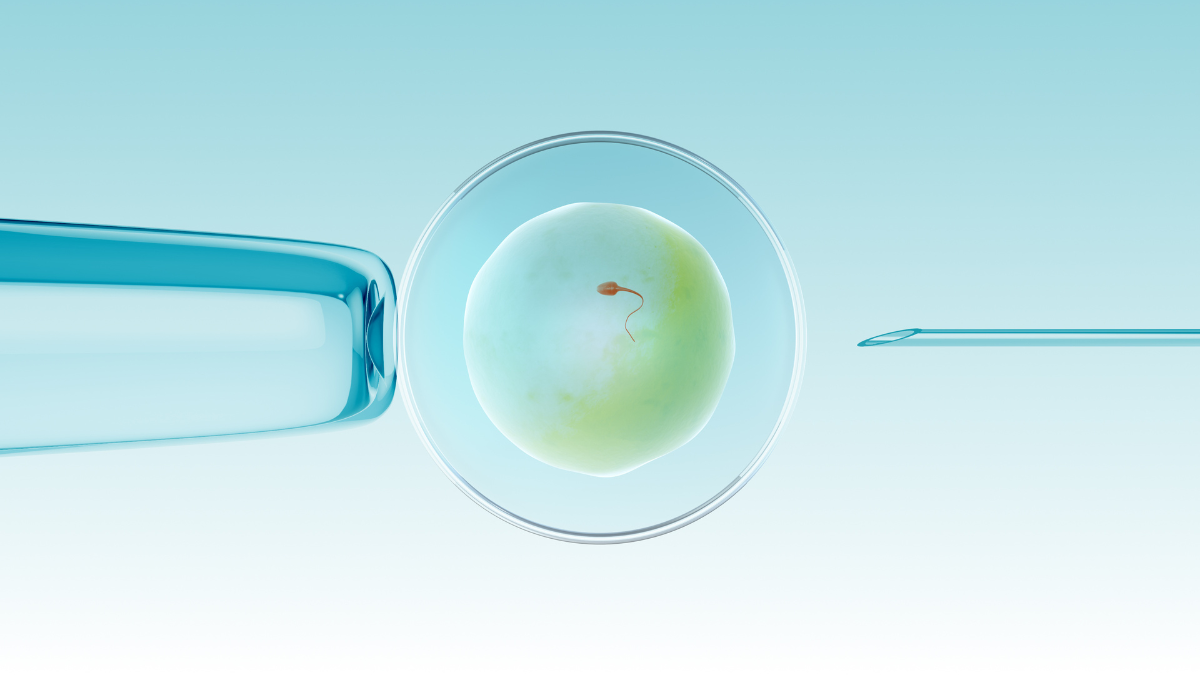
The integration of genetic testing in modern fertility treatments has revolutionized how couples approach in vitro fertilization, offering unprecedented insights into embryo health and viability. Genetic testing has become an increasingly valuable tool in IVF procedures, helping couples make informed decisions and potentially improving success rates. Understanding how genetic testing works within the context of IVF, along with the broader advantages and disadvantages of this fertility treatment, empowers couples to navigate their reproductive journey with confidence and realistic expectations.
IVF Explanation: Understanding the Foundation of Assisted Reproduction
Before exploring genetic testing benefits, it’s essential to understand the IVF explanation and how this treatment works. The IVF explanation begins with ovarian stimulation, where fertility medications encourage the development of multiple eggs instead of the single egg naturally released each cycle. This foundational IVF explanation helps couples understand why genetic testing becomes possible—having multiple embryos created through IVF provides options for screening and selection.
The complete IVF explanation includes egg retrieval, where mature eggs are collected from the ovaries, followed by fertilization in a laboratory setting where eggs meet sperm. This controlled environment is where genetic testing becomes relevant, as embryos develop over several days in culture. The IVF explanation continues with embryo development assessment, and this is precisely when genetic testing can be performed through preimplantation genetic testing (PGT), examining cells from developing embryos before transfer to the uterus.
Understanding the full IVF explanation reveals why genetic testing has become so valuable in modern fertility treatment. The laboratory phase of IVF creates a unique opportunity to examine embryos at the cellular level, something impossible with natural conception. This IVF explanation demonstrates how genetic testing enhances traditional IVF by providing additional information that can guide embryo selection, potentially improving pregnancy rates and reducing miscarriage risk for many couples.
Benefits of IVF Pregnancy: How Genetic Testing Enhances Success
The benefits of IVF pregnancy extend far beyond simply achieving conception, particularly when genetic testing is incorporated into treatment protocols. One of the primary benefits of IVF pregnancy is the ability to use genetic testing to screen embryos for chromosomal abnormalities before transfer. This screening identifies embryos with the correct number of chromosomes, significantly improving the chances of successful implantation and reducing miscarriage risk, making it one of the most valuable benefits of IVF pregnancy for many couples.
Additional benefits of IVF pregnancy with genetic testing include reduced time to successful pregnancy. By selecting chromosomally normal embryos through genetic testing, couples often achieve pregnancy faster than through trial and error with unscreened embryos. This efficiency represents both emotional and financial benefits of IVF pregnancy, as fewer transfer cycles may be needed. The peace of mind provided by genetic testing also counts among the psychological benefits of IVF pregnancy, knowing that transferred embryos have been carefully evaluated.
For couples carrying genetic conditions, the benefits of IVF pregnancy with genetic testing are even more profound. Genetic testing can identify embryos affected by specific inherited conditions, allowing couples to transfer only unaffected embryos. This capability represents one of the most powerful benefits of IVF pregnancy, enabling couples with genetic risks to have biological children without passing on inherited diseases. The expanding applications of genetic testing in IVF continue to increase the benefits of IVF pregnancy for diverse patient populations.
Advantages of IVF: Genetic Testing as a Game-Changer
Among the numerous advantages of IVF, genetic testing stands out as a transformative technology that has significantly improved outcomes. The advantages of IVF with genetic testing include higher pregnancy rates per embryo transfer, particularly for women over 35 where chromosomal abnormalities become more common. These advantages of IVF become especially apparent when comparing success rates between cycles using genetic testing and those without, with screened embryos showing superior implantation potential.
Another of the key advantages of IVF enhanced by genetic testing is the ability to confidently transfer single embryos while maintaining excellent success rates. This reduces multiple pregnancy risks while preserving effectiveness, representing one of the most significant advantages of IVF for maternal and fetal health. The combination of single embryo transfer with genetic testing allows couples to avoid the complications associated with twins or triplets while still achieving their family-building goals.
The advantages of IVF with genetic testing also extend to family planning flexibility. Embryos can be genetically tested, frozen, and stored for future use, allowing couples to space pregnancies as desired while using embryos created when they were younger. This preservation of fertility potential represents one of the long-term advantages of IVF that genetic testing makes even more valuable, as couples know the genetic status of their frozen embryos and can plan accordingly.
Advantages and Disadvantages of IVF: A Balanced Perspective
Examining the advantages and disadvantages of IVF provides essential context for couples making treatment decisions. The advantages and disadvantages of IVF with genetic testing must be weighed carefully. On the positive side, the advantages and disadvantages of IVF analysis shows that genetic testing reduces miscarriage rates and increases live birth rates per transfer. However, the advantages and disadvantages of IVF discussion must acknowledge that genetic testing adds costs and requires embryo biopsy, which carries minimal but real risks.
When considering the advantages and disadvantages of IVF, genetic testing influences both sides of the equation. Among advantages, genetic testing provides valuable information that helps couples make informed decisions about which embryos to transfer. Among disadvantages, not all embryos survive the biopsy procedure required for genetic testing, and some embryos may be discarded based on test results that, while indicating lower success probability, don’t guarantee failure. Understanding these advantages and disadvantages of IVF helps couples determine whether genetic testing is appropriate for their situation.
The advantages and disadvantages of IVF with genetic testing vary depending on individual circumstances. For women over 37, couples with recurrent miscarriage, or those carrying genetic conditions, the advantages strongly favor using genetic testing. For younger women with unexplained infertility, the advantages and disadvantages of IVF with genetic testing become more balanced, and couples may reasonably choose either approach based on their preferences, values, and financial considerations.
Disadvantages of IVF: Understanding the Challenges
While discussing disadvantages of IVF honestly, it’s important to recognize limitations even when genetic testing is used. Among disadvantages of IVF is the significant financial investment required, and genetic testing adds additional costs typically ranging from ₹50,000 to ₹1,50,000 per cycle. These disadvantages of IVF create barriers for some couples, though many find the benefits of genetic testing justify the expense, particularly when it reduces the number of transfer cycles needed.
Other disadvantages of IVF include the emotional toll of treatment, multiple clinic visits, and injectable medications. Genetic testing adds to the timeline, as results typically take 1-2 weeks, requiring frozen embryo transfer rather than fresh transfer. These logistical disadvantages of IVF can be challenging, though most couples adapt to the extended timeline when they understand that genetic testing provides valuable information that may improve their chances of success.
Additional disadvantages of IVF involve uncertainty—even with genetic testing, pregnancy isn’t guaranteed. Some embryos may show mosaic results where both normal and abnormal cells exist, creating complex decision-making scenarios. Furthermore, genetic testing currently cannot detect all possible genetic conditions, only those specifically tested for. Understanding these disadvantages of IVF helps couples maintain realistic expectations while appreciating what genetic testing can and cannot reveal about embryo health.
IVF Babies Disadvantages: Addressing Long-Term Concerns
Parents often worry about potential IVF babies disadvantages, wondering whether genetic testing or the IVF process itself affects child development. Research has extensively examined IVF babies disadvantages and found reassuring results. Studies show that IVF babies, including those from embryos that underwent genetic testing biopsy, develop normally and show no increased rates of birth defects compared to the general population when maternal age and other factors are accounted for. The feared IVF babies disadvantages simply don’t materialize in most cases.
Concerning IVF babies disadvantages specifically related to genetic testing, the embryo biopsy procedure removes only a few cells and doesn’t harm development when performed by experienced embryologists. While theoretical IVF babies disadvantages from biopsy existed, decades of experience have demonstrated safety. Some studies even suggest IVF babies from genetically tested embryos may have slightly lower birth defect rates due to the screening process, though this requires further research to confirm.
The discussion of IVF babies disadvantages should also acknowledge that slight increases in certain pregnancy complications occur with IVF, but these relate more to underlying infertility factors and maternal age rather than the IVF procedure or genetic testing itself. When controlling for these factors, IVF babies disadvantages become minimal. Parents can feel confident that genetic testing doesn’t harm their children’s long-term health or development, and may actually reduce certain risks by identifying healthier embryos for transfer.
Implementing Genetic Testing in Your IVF Journey
Deciding whether to use genetic testing in your IVF cycle requires consultation with your reproductive endocrinologist about your specific situation. Genetic testing is typically recommended for women over 35, couples with recurrent miscarriage, those with previous IVF failures, and couples carrying known genetic conditions. Your doctor can explain which type of genetic testing—PGT-A for chromosome number, PGT-M for specific genetic conditions, or PGT-SR for chromosomal rearrangements—is most appropriate for your circumstances.
The process of incorporating genetic testing into IVF involves embryo biopsy on day 5 or 6 of development, when embryos reach the blastocyst stage. A few cells are removed from the outer layer that will become the placenta, while the inner cell mass that becomes the baby remains intact. These cells are sent for genetic testing analysis, and results guide which embryo to transfer. Understanding this process helps couples appreciate both the precision and limitations of genetic testing in IVF.
Financial planning for genetic testing is essential, as it represents a significant additional cost beyond standard IVF. However, many couples find that genetic testing provides value by potentially reducing the total number of cycles needed to achieve pregnancy. Some insurance policies cover genetic testing when specific medical indications exist, so investigating coverage options is worthwhile. The investment in genetic testing often pays dividends through improved success rates and reduced emotional and physical stress of multiple transfer attempts.
The Future of Genetic Testing in IVF
The field of genetic testing in IVF continues advancing rapidly, with new technologies emerging that may eventually eliminate the need for embryo biopsy. Non-invasive genetic testing methods that analyze embryo culture media or other sources are under development. These innovations promise to make genetic testing even safer and more accessible. Additionally, artificial intelligence is being integrated with genetic testing to improve embryo selection accuracy, potentially further enhancing IVF success rates.
As genetic testing technologies advance, ethical considerations continue evolving. The ability of genetic testing to reveal extensive genetic information raises questions about appropriate use and decision-making frameworks. Fertility clinics providing genetic testing typically offer genetic counseling to help couples understand results and make decisions aligned with their values. This counseling component ensures genetic testing benefits couples not just medically but also ethically and emotionally.
Conclusion: Making Informed Decisions About Genetic Testing
Genetic testing has become an invaluable tool in modern IVF, offering couples unprecedented information about embryo health while presenting certain considerations regarding cost and logistics. Understanding both the advantages and disadvantages of IVF with genetic testing enables couples to make decisions aligned with their specific circumstances, values, and goals. While genetic testing adds complexity to IVF treatment, for many couples the benefits of improved success rates, reduced miscarriage risk, and prevention of genetic disease transmission justify the additional investment.
The integration of genetic testing into your IVF journey should be guided by thorough discussion with your fertility specialist, consideration of your medical history and risk factors, and honest assessment of your financial situation and emotional needs. Whether you choose to incorporate genetic testing or proceed with standard IVF, understanding the complete picture empowers you to approach treatment with confidence and realistic expectations. As genetic testing technologies continue advancing, the future of IVF looks increasingly promising, offering couples ever-improving chances of achieving their dream of parenthood with healthy children.