

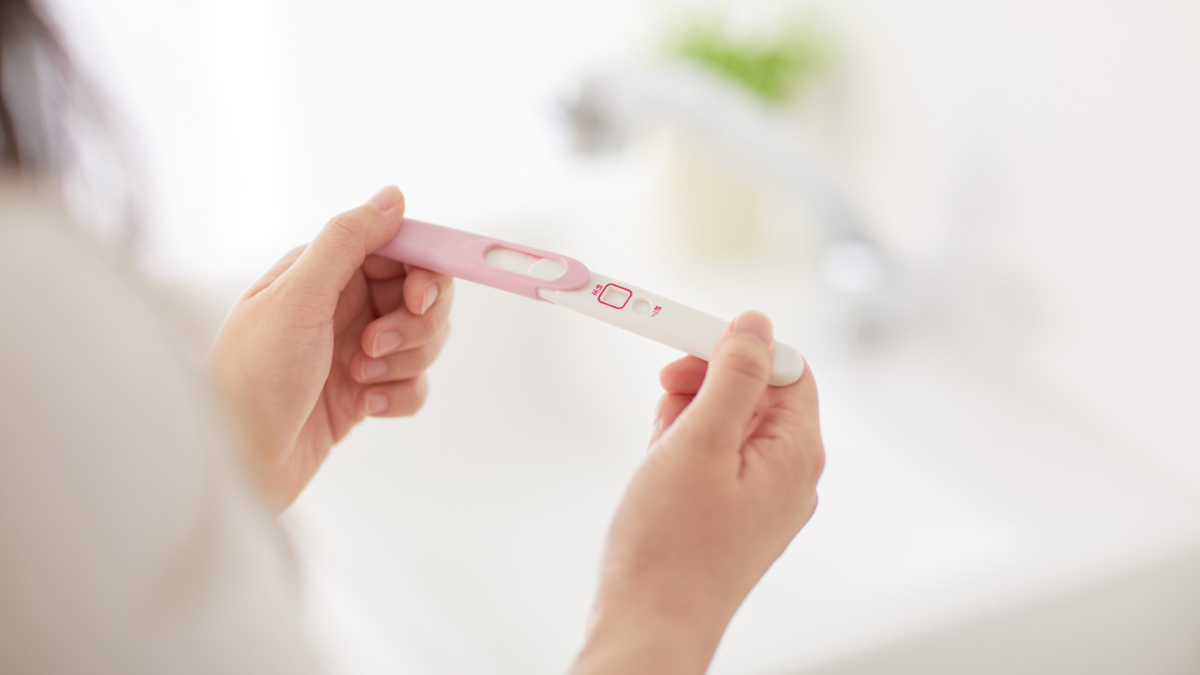
Fertility is not just a biological function — it’s a reflection of overall health, hormonal balance, nutrition, and lifestyle. If you’re trying to conceive and wondering how to improve fertility in women naturally, you’re not alone. Millions of women across the globe ask the same question every day.
Here’s the truth: fertility is not luck — it’s biology supported by informed choices.
After years of working closely with women navigating fertility challenges, one thing is crystal clear — when the body is nourished, balanced, and supported, it responds. This blog is your science-backed, experience-led guide to boost fertility in women, naturally and effectively.
Let’s break it down — step by step.
Understanding Female Fertility: Why It Declines and How to Restore It
Before learning how to boost fertility in women, it’s important to understand what affects it.
Female fertility depends on:
- Hormonal balance (estrogen, progesterone, LH, FSH)
- Ovulation quality and regularity
- Egg health
- Uterine environment
- Lifestyle and stress levels
- Nutritional status
Modern lifestyles — stress, poor diet, disrupted sleep, environmental toxins — silently sabotage fertility. The good news? Most of these factors are reversible.
So, let’s get to the solutions.
How to Improve Fertility in Women Naturally: A Holistic Approach
If you’re looking for sustainable results, shortcuts won’t work. Fertility improves when the entire system is supported.
1. Balance Hormones Before Anything Else
Hormones are the conductors of your reproductive orchestra. When they’re off, fertility struggles follow.
Signs of hormonal imbalance include:
- Irregular cycles
- Painful or absent periods
- PMS or mood swings
- Acne or unexplained weight gain
How to support hormone balance:
- Eat healthy fats (avocado, nuts, seeds)
- Reduce refined sugar and processed foods
- Manage insulin levels
- Sleep 7–8 hours consistently
Balanced hormones = predictable ovulation = improved fertility.
Boost Fertility in Women with the Right Nutrition
Food is information. Every bite you take either supports or suppresses fertility.
Fertility Boosting Foods for Female Reproductive Health
Nutrition is non-negotiable when discussing fertility boosting foods for female health.
Top Fertility Boosting Foods for Female Hormonal Health
Leafy Greens
Spinach, kale, and Swiss chard are rich in folate, iron, and antioxidants that support ovulation and egg quality.
Healthy Fats
Omega-3 fatty acids (found in walnuts, flaxseeds, chia seeds, and fatty fish) improve hormone production and uterine lining thickness.
High-Quality Protein
Plant-based proteins, eggs, lentils, and organic poultry help regulate ovulation.
Whole Grains
Brown rice, quinoa, and oats stabilize blood sugar and insulin — critical for fertility.
Berries & Antioxidant-Rich Fruits
They protect eggs from oxidative stress and aging.
Full-Fat Dairy (in moderation)
Studies suggest full-fat dairy may support ovulation better than low-fat versions.
Punchline: You can’t expect fertile eggs from a malnourished body.
How to Improve Fertility in Women by Supporting Egg Quality
Egg quality matters just as much — if not more — than egg quantity.
Ways to Improve Egg Quality Naturally
- Antioxidant-rich diet
- Adequate protein intake
- Limiting caffeine and alcohol
- Avoiding smoking completely
- Managing oxidative stress
Eggs take about 90 days to mature, meaning what you do today impacts fertility three months from now.
Ask yourself: Am I feeding my future eggs or starving them?
Boost Fertility in Women Through Lifestyle Changes That Actually Work
1. Manage Stress Like Your Fertility Depends on It (Because It Does)
Chronic stress increases cortisol, which suppresses reproductive hormones.
Effective stress-management tools:
- Daily walks
- Meditation or breathwork
- Journaling
- Yoga or gentle stretching
Even 10 minutes a day can shift hormone balance.
2. Exercise Smart — Not Excessively
Moderate exercise boosts fertility. Excessive workouts can suppress ovulation.
Best fertility-friendly workouts:
- Brisk walking
- Yoga
- Pilates
- Strength training (2–3 times/week)
Your goal is balance, not burnout.
How to Improve Fertility in Women by Fixing the Menstrual Cycle
Your cycle is your monthly fertility report card.
A healthy cycle typically:
- Lasts 26–32 days
- Has predictable ovulation
- Includes minimal pain
- Has stable mood patterns
Irregular or painful cycles are signals — not inconveniences.
Tracking your cycle helps identify:
- Ovulation timing
- Luteal phase length
- Hormonal irregularities
Awareness is power.
Fertility Boosting Foods for Female Ovulation Support
Let’s talk ovulation — the non-negotiable event for conception.
Foods That Encourage Healthy Ovulation
- Pumpkin seeds (zinc-rich)
- Sunflower seeds (vitamin E)
- Eggs (choline & protein)
- Sweet potatoes (beta-carotene)
- Citrus fruits (vitamin C)
Ovulation thrives when nutrients are abundant.
How to Improve Fertility in Women by Improving Gut Health
Gut health affects hormone metabolism, inflammation, and nutrient absorption.
Signs your gut may be affecting fertility:
- Bloating
- Constipation
- Food sensitivities
- Chronic fatigue
Gut-healing strategies:
- Probiotic-rich foods (yogurt, kefir, fermented vegetables)
- Fiber-rich diet
- Adequate hydration
A healthy gut = balanced estrogen = improved fertility.
Boost Fertility in Women by Reducing Toxin Exposure
Endocrine disruptors interfere with hormone signaling.
Limit exposure to:
- BPA plastics
- Parabens and phthalates
- Pesticides
- Artificial fragrances
Switching to clean products is not a trend — it’s fertility protection.
How to Improve Fertility in Women After 30 (or 35)
Age affects fertility, but it doesn’t eliminate it.
What changes after 30:
- Egg quality gradually declines
- Antioxidant needs increase
- Recovery time increases
What helps:
- Nutrient-dense diet
- Strength training
- Antioxidant support
- Consistent sleep cycles
Many women conceive naturally well into their late 30s and early 40s with the right support.
Fertility Boosting Foods for Female Over 30
- Brazil nuts (selenium)
- Avocados
- Dark chocolate (magnesium)
- Bone broth
- Fatty fish
These foods support mitochondrial health — the energy source of eggs.
How to Improve Fertility in Women: Supplements That May Help
While food comes first, certain supplements can support fertility when needed:
- Folate (not synthetic folic acid)
- Vitamin D
- Omega-3 fatty acids
- CoQ10
- Iron (if deficient)
Always consult a healthcare professional before starting supplements.
Final Thoughts: Boost Fertility in Women with Consistency, Not Perfection
Fertility is not fixed. It’s fluid, responsive, and deeply connected to how you treat your body daily.
Here’s the truth from experience:
Women who focus on nourishment, balance, and self-trust don’t just improve fertility — they transform their health.
So if you’re asking:
- How to improve fertility in women naturally?
- Which fertility boosting foods for female health actually work?
- What lifestyle changes truly boost fertility in women?
The answer is simple — start supporting your body instead of fighting it.
Your body knows how to conceive.
It just needs the right environment.
Frequently Asked Questions: How to Improve Fertility in Women
1. How can I boost fertility in women naturally without medical treatment?
You can boost fertility in women naturally by focusing on hormone balance, nutrient-dense nutrition, stress management, and lifestyle alignment. Eating fertility boosting foods for female reproductive health, maintaining a regular sleep cycle, exercising moderately, and reducing exposure to toxins significantly improves ovulation and egg quality. Consistency matters more than intensity — fertility responds best to sustainable daily habits.
2. What are the best fertility boosting foods for female reproductive health?
The best fertility boosting foods for female health include leafy greens, eggs, fatty fish, avocados, berries, whole grains, nuts, seeds, and full-fat dairy in moderation. These foods supply essential nutrients like folate, omega-3 fatty acids, antioxidants, and zinc, which support ovulation, hormone balance, and egg quality. A well-nourished body creates a fertile internal environment.
3. How long does it take to improve fertility in women naturally?
When women implement lifestyle and dietary changes consistently, noticeable fertility improvements often occur within 3 to 6 months. This timeline aligns with the egg maturation cycle, which takes approximately 90 days. Supporting the body with fertility boosting foods for female health and stress reduction during this window can significantly improve ovulation and conception potential.
4. How does stress affect fertility in women?
Chronic stress increases cortisol levels, which directly suppress reproductive hormones like estrogen and progesterone. This disruption can delay ovulation or stop it entirely. Learning how to improve fertility in women requires addressing stress through practices such as meditation, gentle exercise, adequate sleep, and emotional support. A calm nervous system is essential for fertility.
5. Can diet alone boost fertility in women?
Diet plays a foundational role, but fertility improves best when nutrition is combined with lifestyle adjustments. Fertility boosting foods for female reproductive health provide the building blocks for hormones and egg development, but sleep quality, movement, and stress management amplify results. Think of diet as the foundation — lifestyle is the structure built upon it.
6. How can women improve egg quality naturally?
Women can improve egg quality by consuming antioxidant-rich foods, reducing inflammation, avoiding smoking and excessive alcohol, and supporting mitochondrial health through nutrients like omega-3s and CoQ10. Since egg quality is influenced months before ovulation, consistent nutrition and lifestyle habits are key to boosting fertility in women naturally.
7. Does age affect fertility, and how can women over 30 improve fertility?
Yes, fertility gradually declines with age, but many women successfully conceive after 30 and even 35. Learning how to improve fertility in women over 30 involves prioritizing nutrient density, strength training, antioxidant support, and hormone balance. Fertility boosting foods for female over-30 health help protect egg quality and hormonal resilience.
8. Are irregular periods a sign of low fertility?
Irregular periods often signal hormonal imbalances that may interfere with ovulation. While they don’t always mean infertility, they indicate that the body needs support. Tracking cycles, eating fertility boosting foods for female hormone balance, and managing insulin and stress levels can help regulate cycles and improve fertility outcomes.
9. What lifestyle habits reduce fertility in women?
Habits that reduce fertility include chronic sleep deprivation, excessive exercise, smoking, high alcohol intake, poor diet, and constant stress. Exposure to endocrine-disrupting chemicals also plays a role. To boost fertility in women, it’s essential to remove these barriers and replace them with supportive, nourishing routines.
10. When should a woman seek professional help to improve fertility?
If a woman has been trying to conceive for 12 months (under 35) or 6 months (over 35) without success, professional guidance is recommended. However, seeking early support to understand how to improve fertility in women can be empowering rather than reactive. Early intervention often leads to better outcomes and reduced emotional stress.